What are the methods for treating wastewater? Sewage systems and septic tanks [Basic knowledge]
Water from kitchens and toilets is treated by either the sewer system, agricultural community drainage, or septic tanks. This explains the differences in methods and the reasons for regional variations.
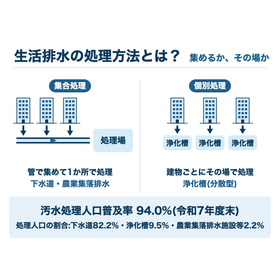
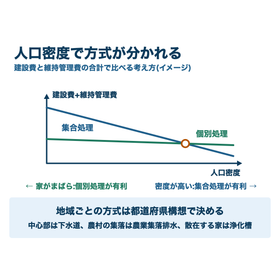
Domestic wastewater is the wastewater generated from daily activities such as cooking, bathing, laundry, and toilet use. In Japan, it is primarily treated through sewer systems, agricultural community drainage facilities, or septic tanks. The percentage of the population that can be treated by these facilities is referred to as the sewage treatment population coverage rate. ■ What are the proportions of each method? As of the end of fiscal year 2025, the sewage treatment population coverage rate is 94.0%. The proportions of the treated population are as follows: 1. Sewer systems: 82.2% 2. Septic tanks: 9.5% 3. Agricultural community drainage facilities, etc.: 2.2% 4. Community plants: 0.1% Approximately 7.4 million people still do not have access to sewage treatment facilities. Even though the coverage rate is high, it does not reach everyone. ■ Are smaller municipalities lower? The coverage rate for municipalities with a population of less than 50,000 is 85.1%, which is below the national average. ■ Collecting or treating on-site? Sewer systems and agricultural community drainage collect wastewater through pipes and treat it in one location, which is a centralized treatment method. On the other hand, septic tanks treat wastewater individually for each building, representing a decentralized wastewater treatment technology. Please feel free to consult with us first.
- Company:トリイ
- Price:Other